Yoga Moves: 12 Foundational Poses to Learn First

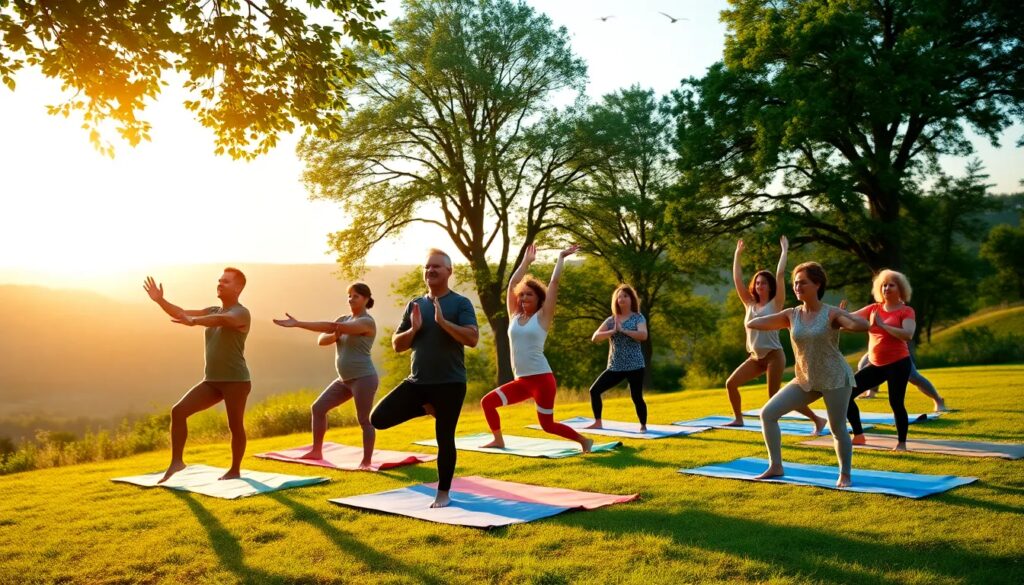
The yoga moves worth learning first are a small set of foundational postures — Mountain, Downward Dog, the Warriors, Child's Pose, Cat-Cow, and a handful of others — that show up in almost every beginner class regardless of style. Master these twelve and you can follow along in a beginner Hatha or Vinyasa class without feeling lost, practice safely at home, and build the strength and mobility that harder postures require later. They are the same twelve moves most beginner guides and the AI summary on Google agree on, and they are the foundation of every short yoga practice techniques routine.
This guide groups the essential moves by type, explains what each one actually works, flags the mistakes beginners make most often, and ends with a short sequence that strings them together.
The 12 essential yoga moves at a glance
| Pose | Sanskrit name | Type | Mainly works |
|---|---|---|---|
| Mountain | Tadasana | Standing | Posture, alignment baseline |
| Downward Facing Dog | Adho Mukha Svanasana | Inversion/standing | Hamstrings, shoulders, full body |
| Warrior I | Virabhadrasana I | Standing | Legs, hip flexors, chest |
| Warrior II | Virabhadrasana II | Standing | Legs, hips, stamina |
| Triangle | Trikonasana | Standing | Side body, hamstrings, balance |
| Tree | Vrksasana | Balance | Ankles, focus, single-leg stability |
| Plank | Phalakasana | Arm support | Core, shoulders, wrists |
| Cobra | Bhujangasana | Backbend | Spinal extension, chest |
| Cat-Cow | Marjaryasana-Bitilasana | Spinal warm-up | Spinal mobility, breath-movement link |
| Seated Forward Bend | Paschimottanasana | Seated | Hamstrings, back body |
| Child's Pose | Balasana | Resting | Back release, recovery |
| Corpse | Savasana | Resting | Relaxation, integration |
Most beginner classes are built almost entirely from this list, with transitions between them. If you want a deeper breakdown of each pose with setup cues, see our guide to yoga poses for beginners.
Yoga moves vs poses vs asanas — are they different?
No, they refer to the same thing. Asana is the Sanskrit word for a posture; pose and move are the everyday English equivalents. Classical texts used asana to mean a steady seated position, and the word later expanded to cover all postures, including standing and balance work. When you see lists of "12 basic yoga poses" or "yoga asanas with names," they are talking about the same set of shapes.
Standing yoga moves: where strength starts
Mountain Pose looks like simply standing, but it teaches the alignment every other pose borrows: feet rooted, kneecaps lifted, pelvis neutral, crown of the head reaching up. Spend ten slow breaths here at the start of practice and the rest of the session improves.
Downward Facing Dog is the most repeated move in flow-based classes. Hands shoulder-width, feet hip-width, hips lifting up and back into an inverted V. Bent knees are fine — a long spine matters far more than straight legs.
Warrior I and Warrior II build leg strength and hip mobility. The key difference: in Warrior I the hips face the front of the mat; in Warrior II they open to the side. In both, the front knee tracks over the ankle, never collapsing inward.
Triangle Pose lengthens the side body and hamstrings. Reach forward first, then tilt — resting the bottom hand on the shin or a block rather than forcing it to the floor.
Floor and seated yoga moves: mobility and recovery
Cat-Cow is the standard spinal warm-up: on all fours, arch the back as you inhale (Cow), round it as you exhale (Cat). It is also the simplest way to learn linking breath to movement, the skill that defines styles like Vinyasa yoga.
Cobra introduces gentle backbending — press the tops of the feet down, lift the chest using back muscles more than arm strength. Plank builds the core and shoulder stability needed for nearly every arm-supported pose. Seated Forward Bend stretches the entire back body; hinge from the hips with a long spine instead of rounding to reach the toes.
Child's Pose and Savasana are not optional extras. Child's Pose is the universal rest position you can take at any point in any class, and Savasana — lying still at the end — is where the nervous system absorbs the work.
A 15-minute home sequence using these moves
- Cat-Cow — 8 slow rounds, moving with the breath.
- Downward Facing Dog — 5 breaths, pedaling the feet.
- Step forward to Mountain Pose — 5 breaths.
- Warrior I, right side — 5 breaths, then Warrior II — 5 breaths.
- Triangle, right side — 5 breaths. Repeat steps 4–5 on the left.
- Tree Pose — 5 breaths per side, hand on a wall if needed.
- Plank — 3 to 5 breaths, then lower down to Cobra — 3 breaths.
- Child's Pose — 8 breaths.
- Seated Forward Bend — 8 breaths.
- Savasana — 2 to 3 minutes minimum.
Done three or four times a week, this short routine builds noticeable flexibility and strength within a couple of months. A gentler option for mornings is our morning yoga stretch sequence.
Common mistakes when learning yoga moves
- Holding the breath. If you cannot breathe smoothly in a pose, back off until you can. Breath is the honest gauge of effort — our guide to yoga breathing covers the basics.
- Locking the joints. Keep a micro-bend in elbows and knees in poses like Downward Dog and Triangle to protect them.
- Chasing depth over alignment. A shallow pose done well builds more than a deep pose done badly.
- Skipping props. Blocks and straps are tools, not training wheels. Experienced practitioners use them constantly.
- Skipping a warm-up. Going straight into Downward Dog or Warrior on a cold body loads the lower back and shoulders. A few rounds of Cat-Cow and gentle side bends prepare the joints.
- Comparing yourself to others. Flexibility differences are largely structural and individual; progress only against your own baseline.
If you are brand new and want context on choosing a class style and what to expect, start with our complete guide to yoga for beginners.
Frequently asked questions
Around 10 to 12 foundational poses cover most beginner classes: Mountain, Downward Dog, Warrior I and II, Triangle, Tree, Plank, Cobra, Cat-Cow, Seated Forward Bend, Child's Pose, and Savasana. Learn these well before adding more.
Three short sessions a week of 15 to 30 minutes is enough for most people to notice better flexibility and strength within a couple of months. Consistency matters more than session length.
Yes, the foundational poses are safe to learn at home if you move slowly, avoid pain, and use props. A few in-person classes early on are still valuable because a teacher can spot alignment habits you cannot see yourself.
They are the same thing. Asana is the Sanskrit word for a yoga posture; in everyday English people say pose or move. Classical texts used asana to mean a steady seated position, and the word later expanded to cover all postures.
Weeks to a few months of short, regular practice, not days. The 12 foundational moves are learnable, not mastered in a week — consistency and patience matter more than session length.
This article is general information, not medical advice. If you have an injury or health condition, check with a healthcare professional before starting a new exercise practice.
Have a correction? Contact us.
Recommended: