Sun Salutation Yoga: Step-by-Step Guide to Surya Namaskar A, B, and the 12-Pose Classical Sequence

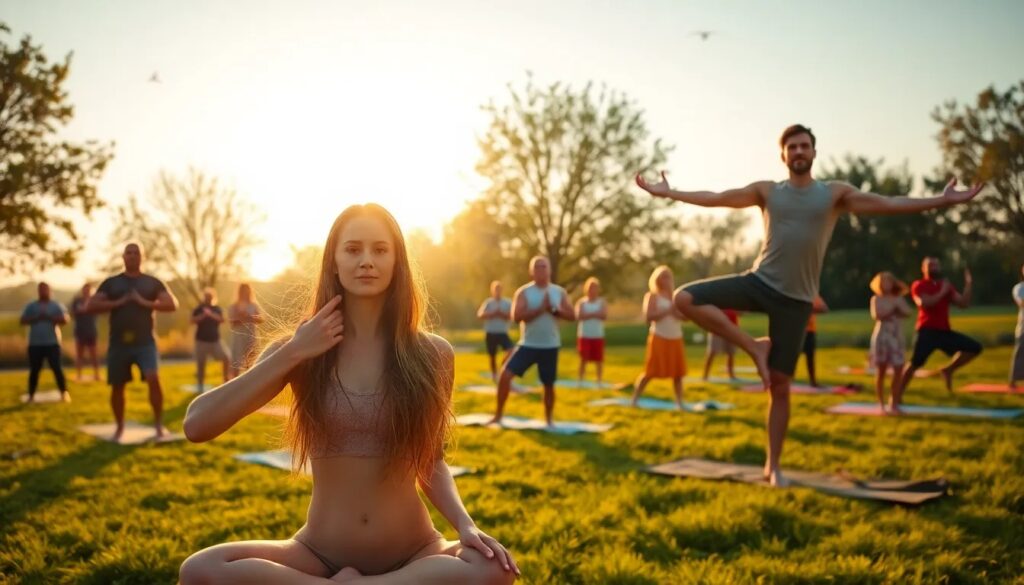
A sun salutation yoga sequence (Surya Namaskar in Sanskrit) is a short, flowing series of yoga poses performed in a fixed order, with each movement timed to an inhale or an exhale. In a typical vinyasa or Ashtanga class, one round of Surya Namaskar A warms every major joint and muscle group in under a minute, which is why almost every flow class starts with it. If you learn one sequence in yoga, this is the one to learn.
This guide walks through the full classical 12-pose sequence, breaks down Sun Salutation A and B step by step with breath cues, and covers the beginner modifications that make the flow accessible if your wrists, hamstrings, or shoulders are not ready for the full version yet.
- What is sun salutation yoga?
- The 12 sun salutation poses in order (classical sequence)
- Sun salutation A: step by step
- Sun salutation A vs B vs the classical sequence
- How to breathe through sun salutation yoga (Ujjayi pranayama)
- Beginner modifications that actually help
- Common mistakes to avoid
- How many rounds of sun salutation yoga should you do?
- What are the benefits?
- Frequently asked questions
What is sun salutation yoga?
Sun salutation yoga is the moving warm-up of modern Hatha, vinyasa, and Ashtanga practice. The Sanskrit name, Surya Namaskar, is commonly broken down as Surya (sun) and Namaskar (salutation or bow), and the sequence was historically performed facing the rising sun. In a modern studio the tradition is more practical than spiritual: the sequence warms the body, teaches breath-movement coordination, and works as a complete short practice on days when you only have ten minutes.
There is no single official version of sun salutation yoga. The two you will meet most often in studios are Sun Salutation A (Surya Namaskar A) and Sun Salutation B, both rooted in the Ashtanga lineage. A longer 12-position classical sequence is common in slower Hatha classes.
The 12 sun salutation poses in order (classical sequence)
The 12-pose classical sequence moves one posture per breath, with an extra inhale at the top and bottom of the flow. Each step is timed to either an inhale or an exhale:
- Prayer Pose (Pranamasana) — stand tall, feet together, palms together at the chest. Steady breath in.
- Raised Arms Pose (Hasta Uttanasana) — inhale, sweep the arms overhead and arch gently back.
- Hand-to-Foot Pose (Hasta Padasana) — exhale, fold forward from the hips and bring the hands to the floor beside the feet.
- Equestrian Pose (Ashwa Sanchalanasana) — inhale, step the right leg back into a low lunge, left knee bent, look up.
- Mountain Pose / Plank (Dandasana) — exhale, step the left foot back to meet the right and hold a straight-arm plank.
- Salute with Eight Limbs (Ashtanga Namaskara) — exhale, lower the knees, then the chest and chin, keeping the hips lifted.
- Cobra Pose (Bhujangasana) — inhale, slide forward and lift the chest, legs and pelvis on the floor.
- Mountain Pose / Downward Dog (Parvatasana) — exhale, lift the hips up and back into an inverted V. Hold for five breaths.
- Equestrian Pose, other side (Ashwa Sanchalanasana) — inhale, step the right foot forward between the hands into a low lunge.
- Hand-to-Foot Pose (Hasta Padasana) — exhale, step the left foot forward to meet the right and fold forward.
- Raised Arms Pose (Hasta Uttanasana) — inhale, rise all the way up, arms overhead, gentle backbend.
- Prayer Pose (Pranamasana) — exhale, return to standing with palms at the chest.
The classical 12-pose version replaces Chaturanga with the eight-limbs salutation and the low lunge, which makes it gentler on the wrists and shoulders than a typical vinyasa warm-up. If you are new to the flow, learning the 12-pose order first is often easier than starting with A.
Sun salutation A: step by step
One round of Sun Salutation A takes about five breaths of movement plus a pause in Downward-Facing Dog. Match the breath cue given for each step:
- Mountain Pose (Tadasana) — stand tall, feet together, take a steady breath.
- Upward Salute (Urdhva Hastasana) — inhale, sweep the arms overhead.
- Standing Forward Fold (Uttanasana) — exhale, hinge at the hips and fold.
- Halfway Lift (Ardha Uttanasana) — inhale, lengthen the spine to a flat back.
- Plank, then lower (Chaturanga Dandasana) — exhale, step back to Plank and bend the elbows to lower halfway, or drop the knees first.
- Upward-Facing Dog or Cobra — inhale, roll over the toes (or stay low in Cobra) and open the chest.
- Downward-Facing Dog (Adho Mukha Svanasana) — exhale, lift the hips back and up. Stay for five breaths.
- Return — inhale, step or hop the feet forward to a Halfway Lift; exhale, fold; inhale, rise all the way to Upward Salute; exhale, return to Mountain Pose.
If any of these shapes are unfamiliar, learn them slowly and individually before linking them — yoga blocks under the hands in the Forward Fold and Halfway Lift make the whole sequence far more comfortable for tight hamstrings.
Sun salutation A vs B vs the classical sequence
| Version | What is added | Best for |
|---|---|---|
| Sun salutation A | The core 8 positions described above | Beginners; the universal warm-up |
| Sun salutation B | Adds Chair Pose (Utkatasana) and Warrior I on each side, roughly doubling the length | Building leg strength and stamina once A feels smooth |
| Classical 12-pose sequence | Uses low lunges and an 8-point prostration instead of Chaturanga | Hatha classes; gentler on wrists and shoulders |
A practical progression: get comfortable with A, add B when your legs and shoulders can handle the extra load, and use the classical 12-pose version on lower-energy days or whenever Chaturanga bothers your wrists.
How to breathe through sun salutation yoga (Ujjayi pranayama)
The breath is what turns sun salutation yoga from a set of poses into a flow. The standard cue is one movement per inhale or exhale, all through the nose, with a soft Ujjayi sound at the back of the throat:
- Match the breath to the movement. If you finish the pose before the breath ends, slow down.
- Lengthen the exhale. Exhales (Folds, Chaturanga, Down Dog) tend to be slightly longer than inhales; the ratio is roughly 1:1 to 4:6.
- Keep Ujjayi steady. A light constriction at the glottis (the back of the throat) makes the breath audible without strain — if you can hear your neighbor over your own breath, you are working too hard.
- Reset in Downward Dog. The five-breath hold is where the nervous system catches up to the body; don't skip it.
If breath-led movement is new, expect the first few rounds to feel awkward. The coordination becomes automatic within a week of daily practice.
Beginner modifications that actually help
- Knees-chest-chin instead of Chaturanga: from Plank, lower the knees, then the chest and chin, keeping the hips up. This builds the same pushing strength with far less wrist and shoulder strain.
- Cobra instead of Upward Dog: keep the legs and pelvis on the floor and lift only the chest.
- Bend the knees generously in the Forward Fold and in Downward Dog — a long spine matters more than straight legs.
- Blocks under the hands in the Halfway Lift if the floor feels far away.
- Step, never jump, between positions until the slow version is effortless.
As an Amazon Associate, we earn from qualifying purchases.


Common mistakes to avoid
Rushing ahead of the breath. The breath sets the tempo; if you finish the movement before the breath ends, slow down. Sagging through Chaturanga — drooping hips and flared elbows are the most common cause of shoulder irritation in flow yoga; drop the knees instead. Skipping Downward Dog breaths — the five-breath hold is where the body integrates the work; cutting it short turns the practice into a race. Hyperextending the elbows in Plank and Upward Dog — a micro-bend in the elbows protects the joint across thousands of repetitions.
How many rounds of sun salutation yoga should you do?
For a warm-up, 3 to 5 rounds of A is standard. As a standalone short practice, 5 rounds of A plus 3 of B takes about ten minutes and works the whole body. Build volume gradually — wrists and shoulders adapt more slowly than enthusiasm does. If a fast flow feels like too much, a slower style may be a better entry point; see our guide to gentle yoga.
This article is general information, not medical advice. If you have wrist, shoulder, or lower-back problems, or you are pregnant, check with a qualified teacher or clinician before practicing sun salutation yoga.
What are the benefits?
- Full-body warm-up: the sequence flexes and extends the spine, loads the shoulders and wrists, and stretches the hamstrings and calves in every round.
- Light cardiovascular work: several continuous rounds raise the heart rate noticeably — more than static stretching, less than running. For context on how yoga compares to other exercise, see is yoga considered exercise.
- Breath training: because every movement has an assigned breath, sun salutation yoga is the fastest way to learn the breath-led pacing that the rest of a flow class depends on.
Claims that sun salutations cure specific conditions are not supported by evidence. They are a solid general conditioning and mobility practice — treat anything beyond that with skepticism.
Frequently asked questions
About 30 to 60 seconds per round of Sun Salutation A, depending on how long you stay in Downward Dog. A typical warm-up of three to five rounds takes around five minutes.
The classical 12-pose sequence is: Prayer Pose, Raised Arms, Hand-to-Foot, Equestrian (right leg back), Plank, Eight-Limbs Salutation, Cobra, Downward Dog, Equestrian (left leg back), Hand-to-Foot, Raised Arms, and Prayer Pose — one movement per breath.
Several continuous rounds provide light-to-moderate aerobic work plus mobility and bodyweight strength. They are a genuine workout for beginners, but most people will eventually want to add other strength or cardio training alongside them.
Morning is traditional and works well as a wake-up routine, but there is no requirement. The sequence is just as useful as a warm-up or movement break at any time of day.
Sun salutation B adds Chair Pose and Warrior I on each side to the core sequence, making it roughly twice as long and noticeably more demanding on the legs. Learn A first, then add B.
Have a correction or a question about this article? Reach us via our contact page.
Last update 2026-09-10. Price and product availability may change.
Recommended: