Long Sleeve Yoga Tops: How to Choose the Right One

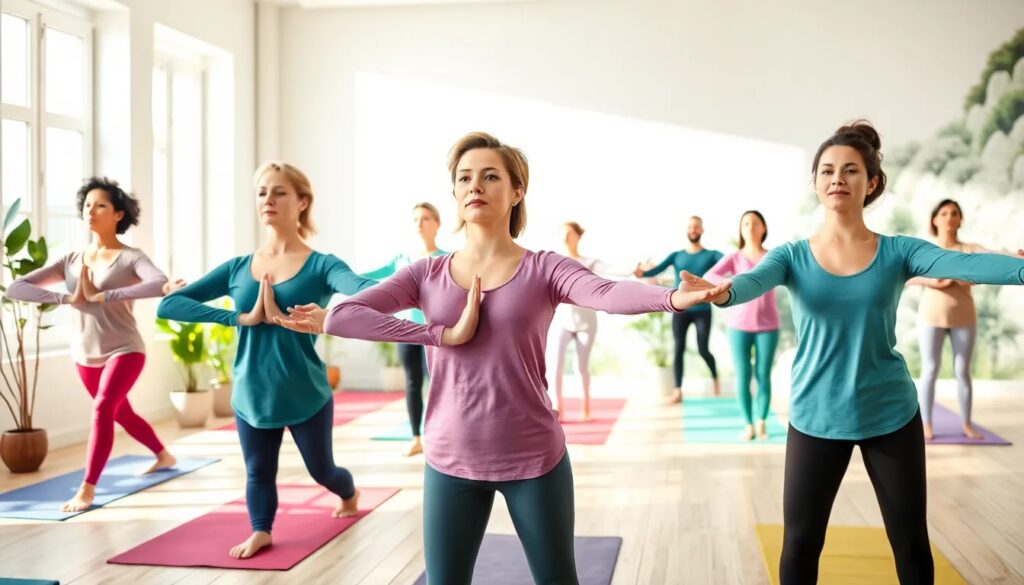
A good long sleeve yoga top does three things: it stays in place when you fold and invert, it manages sweat instead of soaking it up, and it keeps you warm without restricting your shoulders. The right pick comes down to fit style, fabric, and a handful of small features, not brand prestige or label.
This guide breaks the category into its real options so you can match a long sleeve top to your practice instead of guessing.
The Main Styles of Long Sleeve Yoga Tops
| Style | Best for | Watch out for |
|---|---|---|
| Fitted long sleeve | Vinyasa, inversions, alignment-focused classes | Should not dig at the underarms; sheerness in light colors |
| Loose or relaxed fit | Gentle Hatha, restorative, yin, lounging | Falls over your face in downward dog and inversions |
| Wrap top | Layering before and after class, cool studios | Ties can press into the back in reclined poses |
| Shrug or bolero | Warming arms and shoulders over a tank or bra | Minimal coverage; mostly a layering piece |
| Crop length | Hot rooms, high-movement flows | Less coverage in folds and twists |
| Tunic length | Coverage over leggings, casual wear | Extra fabric bunches in seated poses |
The single most useful rule: the more dynamic the class, the more fitted the top should be. A flowing top is lovely in yin but spends half a vinyasa class over your head.
Fit Notes for Common Practice Scenarios
The most common complaint with long sleeve yoga tops is that they ride up the moment you raise your arms, so the lower back is exposed in sun salutations, downward dog, and standing poses. A few fit checks make the difference between a top that works and one you keep tugging at:
- Do the arm-raise test in the dressing room. Reach overhead as if you were entering sun salutation. The hem should stay near your hips, the cuffs should not slide past your wrists, and nothing should pull at the shoulders.
- Pick a relaxed-through-the-torso cut that is still fitted at the shoulders. It moves with you but does not flip over in folds.
- Choose soft, high-recovery fabric. It should not require wrestling on and off, and it should snap back into shape after you twist.
- Check the neckline in a forward fold. Crew necks, modest V-necks, and high mock necks all behave differently when you hang forward; pick the one that stays put.
The same fit logic applies whether you are shopping for a standard size, a plus size range, or a softer, roomier cut for an older or less mobile body. Ignore age- or size-targeted marketing. The construction features are what matter.
Fabric Is the Real Decision
Synthetics (nylon, polyester, spandex)
Nylon-spandex blends feel soft, stretch in four directions, and wick sweat quickly. They are the default choice for active practice. Polyester is durable and dries fast but holds odor more readily. Look for at least 10–15 percent spandex for unrestricted shoulder movement. The fiber behavior is the same as in leggings, which we cover in detail in what yoga pants are made of.
Natural and blended fibers
Cotton feels great but saturates with sweat and stays wet. It is fine for gentle classes and a poor choice for heated rooms. Modal, Tencel, and bamboo-derived rayon offer a middle ground: softer than synthetics, better moisture behavior than cotton. Merino wool is the quiet overperformer for cold-weather or outdoor practice, warm when cool, breathable when working, and naturally resistant to odor.
Weight and warmth
For a heated studio, choose the lightest fabric you can find or reconsider sleeves entirely. Our guide on what to wear to hot yoga explains why less fabric usually wins there. For unheated rooms or outdoor sessions, a midweight brushed-interior fabric adds warmth without bulk.
As an Amazon Associate, we earn from qualifying purchases.


Features That Actually Matter
- Thumbholes: genuinely useful, not a gimmick. They keep sleeves anchored through sun salutations and add hand warmth in cold rooms.
- Longer back hem or high-low cut: keeps your lower back covered in forward folds.
- Flatlock seams: sit flat against the skin and prevent chafing in long sessions.
- Built-in shelf bra: convenient for low-impact practice; most people still prefer a separate bra for support.
- Mesh ventilation panels: meaningful in warm rooms, mostly cosmetic in cool ones.
- Reflective details: worth it if your yoga top doubles as outdoor running or walking wear.

- 【All-Day Comfort】Designed for women who transition seamlessly from workouts to running errands without changing. This womens long sleeve tops is so lightweight and buttery-soft, you'll want to wear it all day.
- 【UV Protection】Heading out for a sunny dog walk or jog? The spf shirts for women long sleeve shields your arms and hands from UVA and UVB rays, so you can skip sticky sunscreen and stay protected.
- 【Thumbholes】Unlike other ordinary tops with sleeves that ride up mid-workout, our womens workout tops with thumbholes keep your sleeves in place during curls, swings, and stretches—no more constant tugging, so you stay focused.
- 【Side Slits Design】From deep lunges at the gym to long drives or hours at your desk, this t shirts for women is designed to ease restriction, giving you full freedom of movement without the hem riding up.
- 【Wear It Everywhere】Great for the gym, hiking, running, yoga, tennis, pilates and casual days—this long sleeve workout tops for women does it all. Check the size chart in the description below to find your ideal fit.
How to Choose: A Quick Decision List
- Start with the fit problem you want to avoid. Top riding up when you raise your arms? Look for a fitted cut with a longer back hem. Fabric clinging when you twist? Look for a relaxed cut with a high-recovery blend.
- Name your primary class style. Dynamic flow calls for a fitted crop or standard length. Gentle or restorative is fine in a relaxed fit. Heated calls for the lightest fabric possible or short sleeves.
- Pick the fabric for your sweat level. Heavy sweater: nylon or polyester wicking knits. Light sweater in cool rooms: modal blends or merino.
- Do the movement test. Reach overhead, fold forward, twist. The hem should stay near your hips, the sleeves should not pull at the shoulders, and nothing should ride up past your ribs.
- Check opacity in stretch. Light-colored thin knits can turn sheer across the back when you reach.
- Buy one before buying five. Wash it, practice in it for two weeks, then repeat what works.
If you are assembling a full practice outfit from scratch, our overview of what people wear to yoga and the honest checklist in what you actually need for yoga will keep the shopping list short.
Long Sleeve Tops vs. Shrugs, Wraps, and Tanks
The category blurs at the edges, and the search results reflect that. A long sleeve yoga top is a full practice top with sleeves. A wrap top is a tied layer that can substitute for a top in gentler classes. A shrug or bolero is a small arm-and-shoulder cover worn over a tank or sports bra for warm-ups, cool-downs, and chilly studios. A tank is the same idea with no sleeves. Pick the long sleeve when you want full coverage and the others when you want a quick layer that comes off mid-class.
Caring for Your Top So It Lasts
The fastest way to ruin a wicking knit is heat. Wash long sleeve yoga tops in cold water with a mild detergent, skip the fabric softener (it coats the fibers and kills moisture-wicking), and air-dry when you can. Merino needs even less: cold wash, lay flat to dry. Spandex-blend tops lose stretch in the dryer, so the same advice applies. Treat the seams gently, especially flatlock seams, and the top will keep its shape far longer than its price tag suggests.
Shopping Online Without Getting Burned
Sizing inconsistency is the biggest hazard when buying activewear online. Three habits help: check the fabric composition rather than the marketing copy, since the fiber percentages tell you how the top will behave; read reviews that mention your body type and the specific complaint patterns, including pilling, sheerness, and shrinkage; and compare the garment measurements against a top you already own rather than trusting size letters. Free returns matter more than a small discount.
Looking for a place to start? A short browse of the bestselling long sleeve options on Amazon gives a quick read on what is in stock and what the current cuts look like.


FAQ
Not necessarily. In unheated studios, lightweight wicking fabric regulates temperature well, and many people find their muscles stay warmer and more pliable with sleeves. In heated classes, however, less fabric is usually better; most hot yoga regulars wear short sleeves or tanks.
Match the fit to the class. Fitted tops stay in place during inversions and dynamic flows; loose tops are comfortable in gentle, mostly upright practices but slide toward your face in downward dog. A semi-fitted cut with a longer hem is the most versatile middle ground.
For sweaty, active practice: nylon-spandex wicking knits. For gentle classes and comfort: modal or bamboo-derived blends. For cold-weather or outdoor practice: lightweight merino wool. Plain cotton is the weakest performer because it soaks up sweat and stays wet.
A long sleeve yoga top is a full practice top with sleeves. A wrap top is a tied layer that can substitute for a top in gentler classes. A shrug or bolero is a small cover for the arms and shoulders, worn over a tank or bra for warm-ups, cool-downs, and chilly studios. Pick the long sleeve when you want full coverage; pick the others when you want a quick layer that comes off mid-class.
Rounding out your kit? See whether socks belong in your yoga practice and what the rest of your outfit should look like by class style.
Have a correction? Contact us.
Last update 2026-09-10. Price and product availability may change.
Recommended: