Cropped Yoga Pants: Capri, 7/8 & Knee-Length Compared

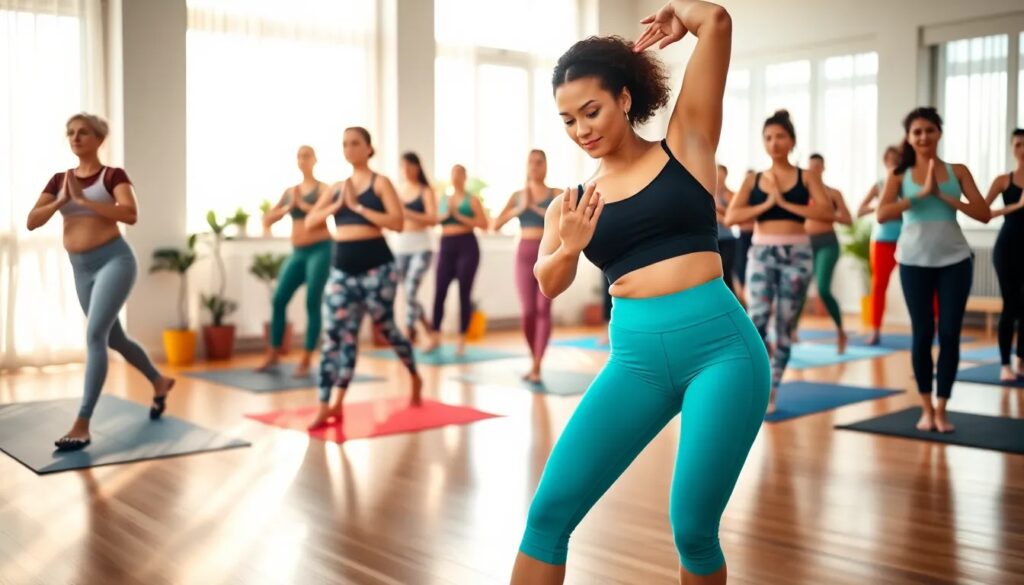
Cropped yoga pants are leggings that end somewhere between the knee and the lower calf instead of at the ankle. The shorter length means better ventilation, no fabric bunching at the ankle, and a clear view of your feet — useful for balance poses — which is why crops are the go-to choice for heated classes, summer practice, and warmer climates. The catch is that "cropped" covers several distinct lengths, and the right one depends on your height, your practice, and how much coverage you want.
Crop lengths explained: capri vs 7/8 vs knee-length
Retailers use these terms loosely, so check the inseam measurement rather than the label. Typical inseams across the main lines you see at Athleta, Alo, CRZ, and Target run as follows:
| Length | Typical inseam | Ends at | Best for |
|---|---|---|---|
| Knee-length (biker style) | 9–11 in | Just above or at the knee | Hot yoga, maximum ventilation, layering under shorts |
| Capri | 17–21 in | Mid-calf | The classic crop — warm-weather practice, pilates, walking |
| 7/8 length | 23–25 in | Just above the ankle bone | Near-full coverage without bunching; flattering on most heights |
| Full length (for reference) | 26–28 in | Ankle | Cooler weather, maximum coverage |
How inseam translates to height
On petite frames (around 5'2" and under), a 7/8 legging often fits like a full-length one, and a capri like a 7/8 — sometimes the cheapest way to a perfect crop is sizing the length to your height rather than buying a "cropped" style. On taller frames (5'9" and up), the same label can read very differently: a "capri" from the same brand may barely clear the calf. This is also why the same retailer lists different inseams for the same named length across petite, regular, and tall ranges.
On the other end of the fit spectrum, knee-length crops can ride up during wide-leg poses if the leg opening is loose, so a snug band at the hem — or a silicone grip — matters more than the inseam number. If you are still deciding between crops and other cuts, start with our overview of what yoga pants are and how they differ from leggings, and check how the capri category is broken out separately in our guide to yoga capris.
When cropped beats full-length (and when it does not)
Choose crops when:
- You practice heated or vigorous styles — less fabric means better heat dissipation and less sweat-soaked material clinging to your calves.
- You do a lot of balance work — seeing your ankles and feet helps with alignment.
- You are between sizes in length — crops eliminate the ankle-bunching problem entirely.
- You practice outdoors in warm weather.
Stick with full-length when:
- You practice in cool rooms or do slow styles (yin, restorative) where you cool down during long holds.
- You want knee padding in kneeling poses — some crops end right where your knee meets the mat.
- You prefer maximum coverage for comfort or modesty reasons.
One specific case worth calling out: bikram, hot 26, and moksha-style hot rooms run hot enough that the fabric below the knee tends to stay damp the entire class, which is the main reason knee-length and capri crops dominate the hot-yoga racks. If you mostly do vinyasa in a warm but not sweltering studio, a 7/8 length is usually the most versatile pick because it gives you coverage for the warm-up without overheating during the flow.
As an Amazon Associate, we earn from qualifying purchases.


Fabric and construction: what actually matters
The length is only half the decision — the fabric determines how the pants perform. The short version:
- Nylon-spandex blends (roughly 70–80% nylon, 20–30% spandex) are the studio standard: soft, stretchy, quick-drying.
- Polyester blends dry fastest and hold prints well, but can hold odor more than nylon.
- Cotton-rich blends feel great for lounging but soak up sweat and stay wet — avoid them for hot classes.
- Squat test for opacity: crops are usually a touch thinner than full-length pants, so check that the fabric stays opaque in a deep squat under good light.
- Gusset and flat seams: a diamond gusset at the crotch and flatlock seams prevent rubbing during wide-leg transitions.
Spandex percentage and recovery
Spandex (also called elastane or Lycra) is what makes a yoga pant snap back into shape after a deep stretch. A pant with about 20% spandex will hold its compression through repeated wear; below 15% the knees and seat tend to bag out after a handful of practices. Above 25% the fabric feels more compressive and is common in performance-oriented lines; the trade-off is that very high-spandex knits can run warmer.
Recycled and blended synthetics
Many brands now use recycled-polyester or recycled-nylon yarns. Performance is comparable to virgin synthetics for everyday practice; the main practical difference is that recycled knits can feel slightly stiffer out of the package and need a wash or two to soften. For a deeper dive into how each material performs on the mat, see our yoga pants fabric guide.

Buying checklist: 6 things to verify before you pay
- Check the inseam in inches, not just the "capri" or "crop" label, and compare it against a pair you already own.
- Do the squat test (or read reviews specifically mentioning opacity).
- Look for a wide, high-rise waistband if you want the pants to stay put during inversions and folds.
- Confirm the hem grips — a snug or silicone-lined hem stops knee-length crops from riding up.
- Check the size chart per brand — sizing varies enormously, and inclusive size ranges differ by line. Our guide to plus-size yoga pants covers what to look for in extended sizing.
- Read the care label — high-spandex fabrics last much longer washed cold and air-dried.
Pockets, waistbands, and other features worth checking
Pockets are the most-requested feature in cropped styles, because the shorter leg leaves less room for a phone than a full-length legging. Most side-seam pockets on crops fit a credit card or a key; a back waistband pocket that lays flat is rare but does exist on a few lines. A wide, high-rise waistband (around 4–5 inches of band) is the single biggest difference between a crop that stays put in inversions and one that creeps down. A drawstring is a useful backup if you are between sizes.

Styling crops outside the studio
Cropped yoga pants moved into everyday wear a long time ago. A few combinations that work: capris with an oversized tee and slip-on sneakers for errands; 7/8 leggings with a long cardigan and ankle boots in cooler months; knee-length crops under an athletic dress for walks. Darker solid colors transition to casual wear more easily than bright prints.
Flares, wide-leg, and other recent cuts
The "Gen Z" naming you see on social media — flare legging, wide-leg crop, pilates pant — refers to variations on the same basic crop: a fitted waist and hip with a wider hem below the knee. The flare version flares from the knee down; the wide-leg crop stays evenly loose from thigh to hem. The fit principles are the same as a straight crop — you want the waistband to stay put and the inseam to match your height — but the wider leg changes how the fabric moves in standing balance poses, and some practitioners find a snug-band flare more grounding than a fully loose wide-leg for vinyasa.
If you like a sportier look, several mainstream athletic brands make crops in their main legging lines — see our review of Adidas yoga pants for one example of how a big-brand lineup is organized. One frequent question with thinner crop fabrics is what to wear underneath — we cover the options honestly in what underwear to wear with yoga pants.
Frequently asked questions
Cropped is the umbrella term for any yoga pant that ends above the ankle. Capris are a specific crop that ends mid-calf, usually with a 17 to 21 inch inseam. A 7/8 legging is also cropped but ends just above the ankle bone.
Generally yes. Less fabric improves heat dissipation, and there is less sweat-soaked material clinging to the calves. Knee-length and capri lengths are the most popular choices for heated classes, paired with quick-drying nylon or polyester blends rather than cotton.
The 7/8 length suits the widest range of heights because it ends at the narrowest part of the lower leg, just above the ankle. Mid-calf capris can visually shorten the leg on petite frames; if that bothers you, choose either a 7/8 length or a true knee-length crop instead.
Have a correction? Contact us.
Last update 2026-09-10. Price and product availability may change.
Recommended: